The Spices That Define Haitian and Caribbean Cooking
Haitian cuisine sits at the heart of Caribbean cooking traditions. At the center of these flavors is a seasoning base called epis. This mix is made from garlic, scallions, bell peppers, parsley, thyme, and peppers. Many families prepare it fresh and keep it on hand for everyday meals.
Alongside epis, Haitian kitchens often use:
-
Garlic and onions
-
Cloves and allspice
-
Fresh thyme and parsley
-
Hot peppers like Scotch bonnet or habanero
-
Bouillon seasonings for depth
These ingredients are not just for taste. They are part of daily life, Sunday dinners, and holiday tables.
How These Traditions Were Passed Down
Learning by Watching and Helping
In many homes, children learned by standing next to their parents or grandparents in the kitchen. They peeled garlic, stirred pots, and watched how spices were measured by hand and heart. Recipes were rarely written down. They were taught through action, smell, and repetition.
The Role of Storytelling Through Food
Cooking time was also storytelling time. Elders shared memories of Haiti, Jamaica, Trinidad, and other islands while preparing meals. These stories helped spices and recipes live beyond their ingredients.
The Gap for Second-Generation Caribbean Families
As Caribbean families settled in the United States and other countries, some of these traditions shifted.
Some common challenges include:
-
Busy schedules that limit time in the kitchen
-
Limited access to fresh Caribbean herbs and peppers
-
Loss of Creole and island language in daily life
-
Fewer chances to cook side-by-side with elders
Many second-generation Caribbean children grew up loving the food but not learning how to prepare it themselves.
How This Gap Has Also Helped Spread Caribbean Recipes
While some traditions weakened, others found new life.
Caribbean families began:
-
Adapting recipes to new kitchens and grocery stores
-
Using blended seasonings for faster cooking
-
Sharing food through social media and community events
This helped Caribbean recipes reach people far beyond the islands and created new pride around cultural food.
How Dinner Ideas Collective Bridges This Gap
Dinner Ideas Collective was created to help protect and share these kitchen traditions.
Epis Dry Blends for Everyday Cooking
The Epis Dry Blend Mild and Epis Dry Blend Hot make it easier to keep traditional flavor even when time is short. These blends respect the original taste while fitting into modern kitchens.

A Cookbook That Teaches and Preserves
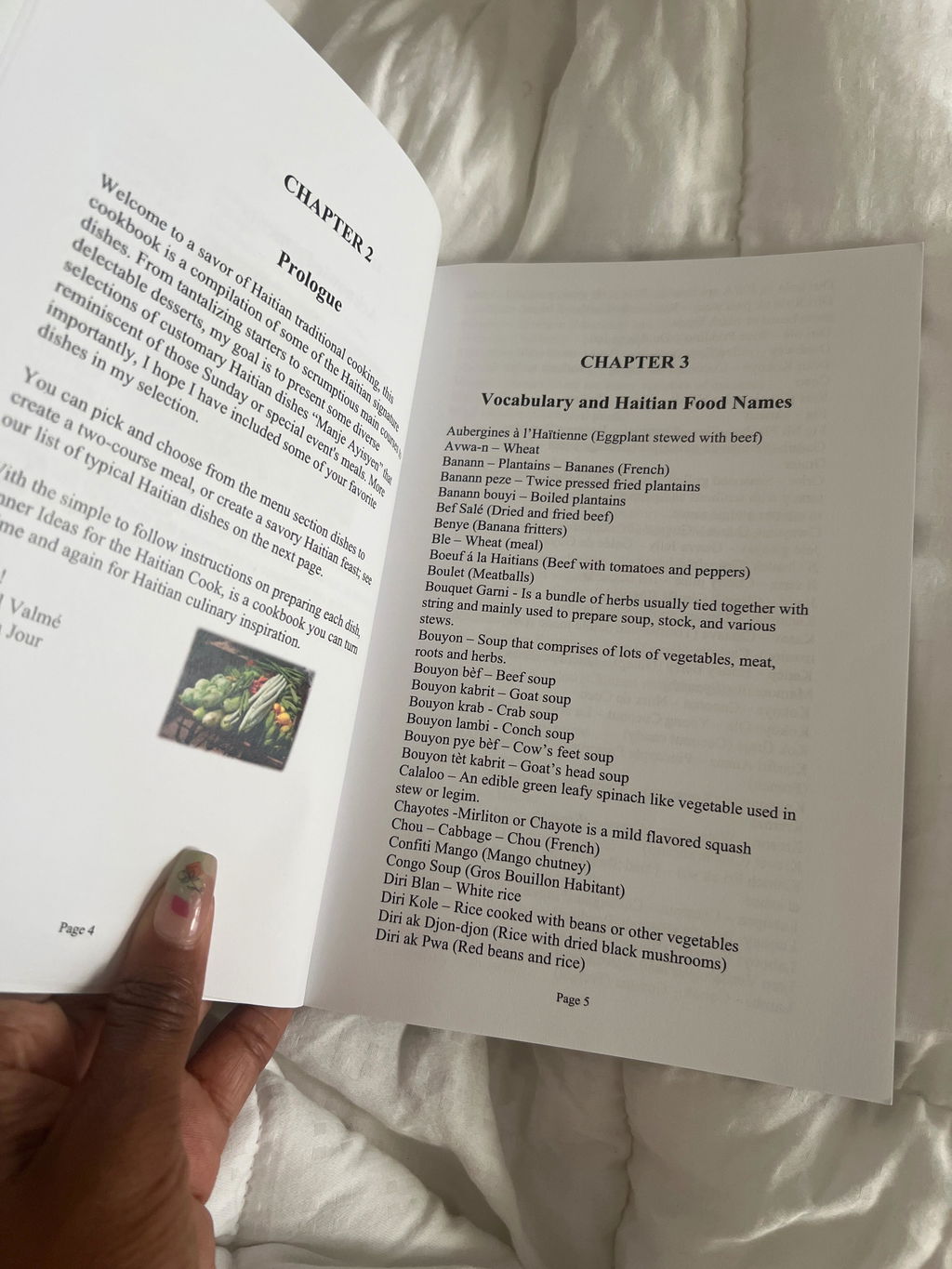
The Dinner Ideas for the Haitian Cook cookbook was written to guide new and experienced cooks. It explains techniques, cultural meaning, and practical steps to help families cook together and pass knowledge forward.

Why These Traditions Still Matter
Food is one of the strongest ways to hold on to culture. When families cook together, they share more than a meal. They share history, love, and identity. Caribbean kitchens remain a powerful place for connection across generations.
or those looking to bring these traditions into their own kitchens, ingredients, tools, and guidance are available through trusted cultural food brands and family-centered cookbooks that make the process easier and more approachable.