A Practical Guide to Haiti’s Spicy Pickled Cabbage
Introduction
Put a plate of crispy griot and bannann peze on the table, and many Haitians will immediately look for the Pikliz.
That small serving of spicy pickled cabbage does a lot of work.
The acidity cuts through the richness of fried pork. The cabbage and carrots provide crunch. Scotch bonnet peppers bring heat and their characteristic fruity flavor. Together, those contrasting flavors can change the entire experience of a meal.
Pikliz is one of those foods that teaches an important lesson about Haitian cooking: the side of the plate can matter just as much as the center.
You will find different versions from one Haitian household to another. Some people prefer finely shredded cabbage. Others like a coarser cut. Some families add plenty of carrots, while others emphasize peppers and onions. The amount of Scotch bonnet can range from relatively mild to the kind of Pikliz that makes you stop talking for a moment after the first bite.
There is room for those differences.
What matters is maintaining the character of the condiment: crisp vegetables, noticeable acidity, aromatic ingredients, and enough pepper to give Pikliz its familiar personality.
In this guide, we’ll look at what Pikliz is, its place at the Haitian table, the ingredients used to prepare it, and the techniques that can help you make a batch that stays crisp and flavorful.
What Is Haitian Pikliz?
Pikliz is a Haitian pickled vegetable condiment typically made with shredded cabbage, carrots, onions or shallots, hot peppers, and vinegar. Depending on the cook, additional ingredients may include garlic, bell pepper, scallions, cloves, or other aromatics.
Unlike a cooked cabbage side dish, traditional Pikliz relies on vinegar and resting time.
The vegetables are prepared, combined with seasonings and peppers, covered with vinegar, and allowed to marinate. During that time, the vinegar absorbs flavors from the vegetables and aromatics while the vegetables take on the acidity and heat of the liquid.
The result should still have texture.
Good Pikliz isn't supposed to resemble soft coleslaw. That crispness is part of what makes it work so well alongside fried and roasted foods.
It can function as a condiment, side dish, or finishing ingredient depending on the meal.
Pikliz and the Haitian Table
To understand Pikliz, it helps to think about the complete plate rather than the condiment by itself.
Haitian cooking frequently uses contrast.
A piece of well-seasoned griot can be rich and savory. Bannann peze provides a crisp exterior and dense interior. Diri Kole contributes a warm, comforting base. Pikliz comes in with acidity, freshness, crunch, and heat.
Each part has a job.
That is one reason Pikliz is especially popular with fried foods. A small forkful can balance a rich bite without covering up the flavor of the meat or fish.
Common pairings include:
- Griot
- Bannann Peze
- Tassot
- Poul Fri
- Pwason Fri
- Fried turkey
- Fritay
- Diri Kole
For Haitians living outside Haiti, Pikliz can also be one of those familiar foods that immediately brings a meal back home. Open a container and the aroma of vinegar, peppers, cabbage, and spices is unmistakable.
Pikliz and Haitian Fritay
Pikliz has a particularly close relationship with fritay.
Fritay refers to a family of Haitian fried foods that may include griot, tassot, fried chicken, fried plantains, akra, marinad, and other items.
These foods are rich, salty, savory, and often heavily seasoned.
That is exactly where Pikliz earns its place.
Imagine eating several pieces of fried pork without anything acidic alongside them. After a few bites, the richness can begin to dominate.
Now add a forkful of cold, crisp Pikliz.
The vinegar cuts through the fat. The vegetables provide a different texture. The pepper introduces heat. Suddenly, the next bite of griot tastes exciting again.
This isn't simply decoration placed beside the food. Pikliz contributes to the balance of the plate.
Understanding the Ingredients in Traditional Pikliz
Pikliz uses relatively inexpensive ingredients, but each one contributes something different.
Cabbage
Green cabbage usually forms the bulk of Pikliz.
Look for a firm head with tightly packed leaves. The cabbage should feel heavy for its size and have crisp leaves without extensive browning or wilting.
Thinly shredding the cabbage allows vinegar and pepper flavor to reach more surface area while preserving crunch.
Avoid cutting it so finely that it becomes mushy after marinating.
Carrots
Carrots provide sweetness, color, and additional crunch.
They can be grated or cut into thin matchsticks.
The natural sweetness of carrots helps balance the sharp vinegar and heat from the peppers without making the condiment sweet.
Scotch Bonnet Peppers
This is where much of the personality comes from.
Scotch bonnet peppers are widely used throughout Caribbean cooking and are valued for both their heat and fruity aroma.
Handle them carefully.
Wear food-safe gloves when cutting hot peppers, particularly if you are sensitive to capsaicin. Avoid touching your eyes or face while preparing them.
For less heat, reduce the amount of pepper and remove some of the inner membrane. For considerably more heat, increase the amount gradually.
Pikliz should complement your meal, not prevent you from tasting everything else on the plate.
Onion or Shallot
Onions and shallots provide sharpness and aroma.
Thin slices work well because they soften slightly in vinegar while maintaining enough texture to remain noticeable.
Garlic
Garlic appears in many family recipes and contributes another savory layer.
A little goes a long way because raw garlic becomes quite noticeable after sitting in vinegar.
Bell Pepper
Some cooks add thin strips of bell pepper for sweetness, color, and crunch.
Red, green, yellow, or orange peppers can all work.
Cloves
Whole cloves are common in many traditional versions of Pikliz.
They contribute a warm aromatic note to the vinegar.
Use them carefully. Cloves have a powerful flavor, and too many can dominate the vegetables and peppers.
Vinegar
Vinegar provides the acidity responsible for Pikliz's characteristic sharpness.
White vinegar is commonly used because its clean acidity allows the vegetables, peppers, and spices to remain prominent.
The vegetables should be adequately surrounded by the vinegar mixture so the flavor distributes evenly during refrigeration.
How Hot Should Pikliz Be?
This may be one of the easiest ways to start a debate among Haitian cooks.
There isn't one universal answer.
Some families expect serious heat from Pikliz. Others prepare a moderate version so everyone at the table can enjoy it.
If you're making Pikliz for guests, starting moderately is often practical. You can always serve additional hot pepper separately.
You can also prepare two containers: one moderate and one hot.
That approach works particularly well for family gatherings where children and adults may have very different tolerances.
What you don't want to do is remove the pepper character entirely. Pikliz without any noticeable pepper loses part of what distinguishes it from ordinary pickled cabbage.
The Importance of Fresh Ingredients
Because Pikliz isn't cooked, ingredient quality is easy to notice.
Use cabbage that is crisp.
Choose firm carrots.
Use fresh peppers and aromatics.
Fresh vegetables produce the texture that makes Pikliz such an effective partner for fried foods.
This is also why preparation matters. Clean vegetables, clean utensils, clean containers, and proper refrigeration all matter when you're preparing a condiment that will be stored and served over time.
Cutting the Vegetables Correctly
Consistency makes a difference.
If some cabbage pieces are very thick while others are paper-thin, they won't marinate at the same rate.
Aim for thin, relatively uniform pieces.
A sharp chef's knife works well, but a mandoline can produce consistent slices if used carefully. Carrots can be shredded with a box grater or cut into thin matchsticks.
The goal isn't restaurant-perfect presentation. It is consistent texture.
When you take a forkful, you should be able to get cabbage, carrot, onion, and pepper together rather than one oversized piece dominating the bite.
Let Pikliz Rest
Freshly assembled Pikliz and properly rested Pikliz are not quite the same thing.
Resting gives the vinegar time to pick up the aromas of the peppers, onion, garlic, cloves, and vegetables. Those flavors then work their way throughout the mixture.
That doesn't mean leaving Pikliz sitting on the kitchen counter for days. Prepare it using clean food-handling practices and refrigerate it while the flavors develop.
Patience makes a noticeable difference.
The same lesson appears throughout Haitian cooking. Epis benefits from allowing its ingredients to come together. Beans develop richer broth when they're given time. Meat benefits from proper seasoning before cooking.
Pikliz follows the same philosophy.
Good Haitian food rarely depends on rushing.
Building Your Haitian Cooking Foundation
Learning to make Pikliz becomes even more useful when you understand how it connects with other Haitian staples.
Start with a good epis to season your meats and vegetables. Learn how to prepare Pwa Wouj and save the bean broth. Use that broth to build Diri Kole. Prepare griot, poultry, or fish as the main dish. Then add Pikliz to bring acidity and crunch to the plate.
Those individual skills eventually become complete Haitian meals.
Dinner Ideas Collective's growing collection of Haitian cooking guides is designed to help home cooks understand those connections rather than treating every recipe as an isolated set of instructions.
You can explore additional Haitian cooking articles and recipes through the Dinner Ideas Collective recipe and cooking guides.
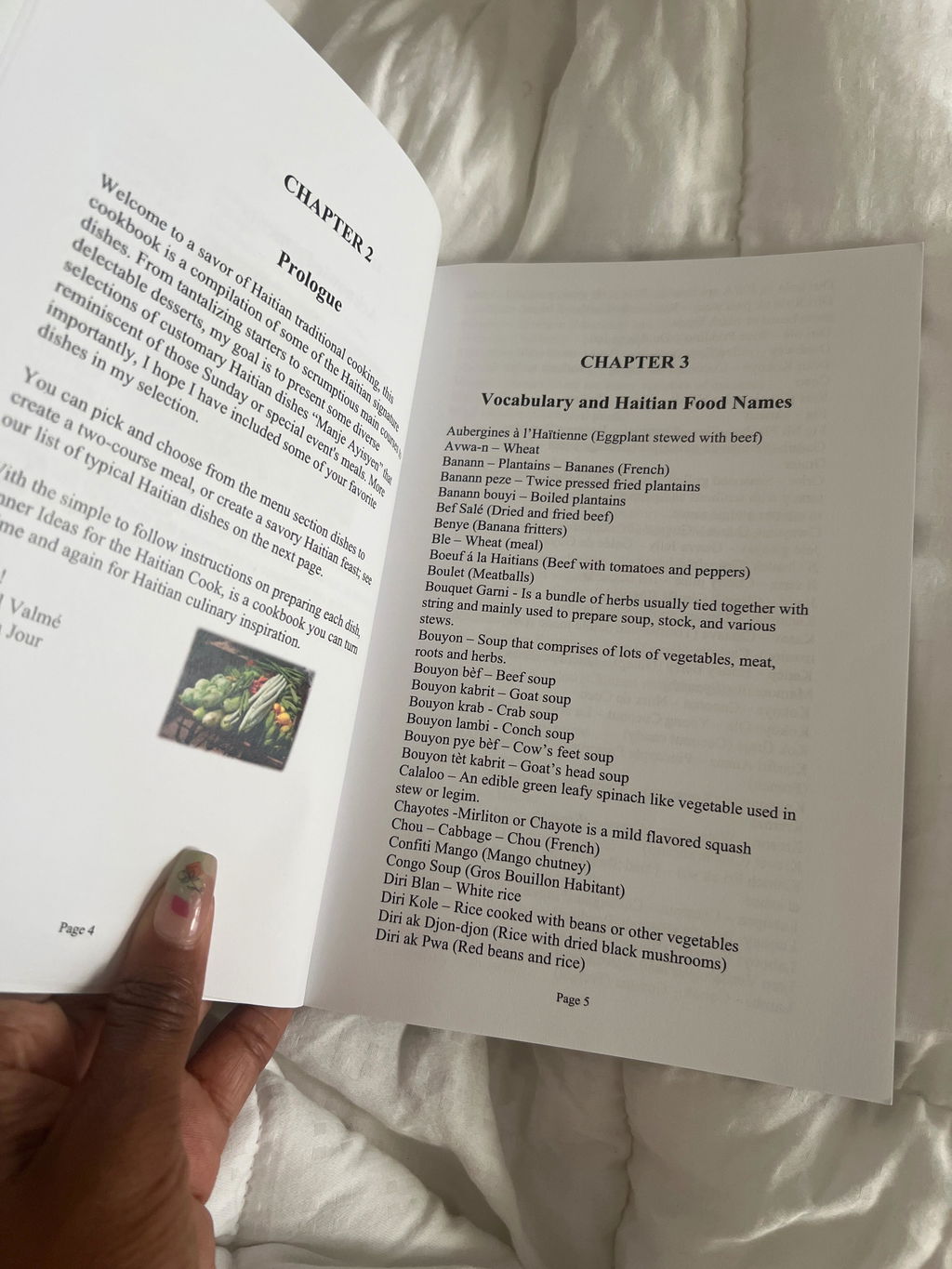
For cooks building a broader collection of traditional recipes, Dinner Ideas Collective also offers Dinner Ideas for the Haitian Cook (Second Edition) and Haitian seasoning blends developed to make everyday cooking more practical.
Step-by-Step Preparation, Common Mistakes, Variations, and Serving Ideas
Once you understand the role Pikliz plays at the Haitian table, making it at home is relatively straightforward. The ingredients are simple. The difference between an average batch and one you want beside every plate of griot often comes down to how you cut the vegetables, balance the vinegar and peppers, and give the flavors enough time to come together.
There is also plenty of room for family preference. Your grandmother's Pikliz may not taste exactly like your neighbor's, and that is part of Haitian home cooking. Use the basic method as your foundation, then adjust the vegetables and heat to fit your household.
How to Make Traditional Haitian Pikliz
Before beginning, gather a clean cutting board, sharp knife, large mixing bowl, food-safe gloves for handling hot peppers, and clean glass jars or airtight containers.
A typical batch may include:
- Green cabbage
- Carrots
- Scotch bonnet peppers
- Onion or shallots
- Bell pepper
- Garlic
- Whole cloves
- Vinegar
- Salt
- Fresh lime juice, depending on family preference
Ingredient amounts can be adjusted according to how much Pikliz you want to prepare.
Step 1: Prepare the Cabbage
Remove any damaged outer leaves from the cabbage.
Rinse the cabbage and cut it into manageable sections. Remove the tough core, then shred the leaves into thin strips.
Try to keep the pieces reasonably consistent.
You want cabbage thin enough to absorb the vinegar and seasonings but substantial enough to retain its characteristic crunch.
Place the shredded cabbage into a large clean bowl.
Step 2: Prepare the Carrots
Peel and wash the carrots.
You can grate them using the large holes of a box grater or slice them into thin matchsticks.
Add the carrots to the cabbage.
Carrots do more than add color. Their mild sweetness provides a pleasant contrast to the vinegar and Scotch bonnet peppers.
Step 3: Add the Aromatics
Thinly slice your onion or shallot and add it to the vegetables.
Depending on your family's recipe, you may also add:
- Thinly sliced bell pepper
- Scallions
- Garlic
Keep the pieces relatively thin so each forkful contains a mixture of vegetables rather than large chunks of one ingredient.
Step 4: Prepare the Scotch Bonnet Peppers
This step deserves extra attention.
Scotch bonnet peppers can cause significant irritation to your skin and eyes. Wear food-safe gloves while handling them, and thoroughly wash your knife, cutting board, and hands afterward.
For a hotter Pikliz, thinly slice the peppers and include more of the inner membrane.
For a milder version, use fewer peppers and remove some of the membrane before slicing.
Add the peppers to the vegetable mixture.
Don't judge the final heat level immediately. The peppers will continue flavoring the vinegar and vegetables as the Pikliz rests.
Step 5: Add the Cloves and Seasoning
Add a few whole cloves and a modest amount of salt.
You may also add freshly squeezed lime juice if that is part of your family's preparation.
Use cloves with restraint. Their warm aroma should sit quietly behind the peppers and vegetables rather than become the first flavor you notice.
Step 6: Add the Vinegar
Transfer the vegetables into a clean glass jar or food-safe container.
Add enough vinegar mixture to surround the vegetables thoroughly.
Use a clean utensil to gently press and distribute the vegetables.
Don't aggressively mash the cabbage. You want it to retain its texture.
Seal the container and refrigerate.
How Long Should Pikliz Rest Before Eating?
Technically, you can taste Pikliz soon after preparing it.
But that doesn't mean it is ready.
The flavors need time to come together.
As the mixture rests, the vinegar absorbs the heat and aroma of the Scotch bonnet peppers, while the cabbage, carrots, onions, garlic, and spices absorb the seasoned vinegar.
For better flavor, allow the Pikliz to refrigerate before serving rather than preparing it immediately before dinner.
Many home cooks prefer it after at least a day of refrigerated resting.
You'll often notice that the flavor continues to change over the following days.
What Should Good Pikliz Taste Like?
A good batch should have balance.
You should notice acidity immediately, followed by the freshness and crunch of the vegetables. Then comes the pepper.
The heat shouldn't necessarily erase everything else.
You should still be able to taste the cabbage, carrots, onion, aromatics, and whatever you're eating alongside it.
The texture is equally important.
Pikliz should be crisp enough to provide contrast against soft rice, tender meat, or fried foods.
If it tastes like hot vinegar with no vegetable character, something is missing.
If it tastes like plain cabbage salad, it probably needs more time or seasoning.
Common Pikliz Mistakes to Avoid
Cutting the Cabbage Too Thick
Very large pieces don't absorb the seasoned vinegar as evenly and can make Pikliz awkward to eat with other foods.
Aim for thin strips.
Cutting Everything Too Fine
The opposite problem can be just as frustrating.
If every vegetable is minced extremely small, the Pikliz loses some of its characteristic crunch.
You want shredded and thinly sliced vegetables, not vegetable purée.
Adding Too Many Scotch Bonnet Peppers
Heat develops while Pikliz rests.
A batch that seems manageable immediately after preparation can become considerably hotter later.
Start according to your household's tolerance and adjust future batches from there.
Using Too Many Cloves
Cloves are powerful.
A few can contribute a pleasant aromatic quality. Too many can make the entire container taste medicinal or bitter.
Serving It Too Soon
Freshly mixed cabbage, peppers, and vinegar aren't the same as rested Pikliz.
Give the ingredients time to develop together under refrigeration.
Using Limp Vegetables
Pikliz depends heavily on texture.
Starting with wilted cabbage or soft carrots makes it difficult to achieve the crisp result that works so well with Haitian fried foods.
Use fresh, firm vegetables.
Treating Pikliz Like Coleslaw
Pikliz and coleslaw may both contain cabbage and carrots, but they serve very different purposes.
Traditional Pikliz doesn't depend on a creamy mayonnaise dressing. Vinegar and hot peppers define its personality.
How to Adjust Pikliz for Your Family
One of the benefits of making Pikliz at home is control.
If your household enjoys intense heat, increase the Scotch bonnet gradually.
If you're introducing Pikliz to children or guests who aren't accustomed to very spicy food, prepare a moderate version.
You can also make two jars from the same vegetable mixture.
Add fewer peppers to one and additional peppers to the second.
Label them clearly.
That gives everyone at the table a choice without changing the rest of the meal.
What to Serve With Haitian Pikliz
Pikliz is famous for its relationship with griot, but limiting it to pork means missing many excellent combinations.
Griot and Pikliz
This remains one of the classic Haitian pairings.
The vinegar and vegetables balance the richness of fried pork, while Scotch bonnet provides heat between bites.
Add bannann peze and you have one of Haiti's most recognizable combinations.
Poul Fri and Pikliz
Crispy Haitian fried chicken works beautifully with Pikliz for the same reason.
The acidity provides contrast to the seasoned fried exterior.
Tassot and Pikliz
Whether prepared with beef or goat, tassot benefits from a fresh, acidic condiment alongside it.
Pwason Fri and Pikliz
Fried fish and Pikliz make an excellent combination.
Season your seafood well, fry until crisp, and serve a small amount of Pikliz on the side rather than covering the fish completely.
For home cooks preparing Haitian seafood, Dinner Ideas Collective's Pwason Citron Blend is designed for fish, shrimp, salmon, lobster, crab, and other seafood preparations.
Diri Kole and Pikliz
Pikliz can also accompany a plate of Diri Kole.
The warm rice and beans provide a comforting base while the cold, acidic vegetables bring contrast.
If you're still working on your rice technique, continue with the Dinner Ideas Collective guide to traditional Haitian Diri Kole in the Haitian recipes and cooking guides.
Building a Complete Haitian Plate
If you're learning Haitian cooking, don't feel that you have to master ten recipes at once.
Build your skills one component at a time.
Learn epis first.
Then learn beans.
Use the bean broth to practice Diri Kole.
Add a protein such as chicken, griot, or fish.
Practice bannann peze.
Then make Pikliz.
Before long, you aren't simply following individual recipes. You understand how the pieces of a Haitian meal work together.
That is where cooking becomes much more comfortable.
The seasonings start making sense. You learn when acidity is needed. You recognize how epis builds flavor and why Pikliz provides contrast. You begin tasting the food instead of depending entirely on measurements.
For additional guidance, Dinner Ideas Collective provides Haitian recipes, cooking resources, seasonings, and Dinner Ideas for the Haitian Cook (Second Edition) for home cooks who want to build those skills.
More Ways to Use Pikliz
There is nothing wrong with keeping Pikliz traditional, but leftovers can also be useful in everyday meals.
Try a small amount with:
- Grilled chicken
- Roasted pork
- Fish sandwiches
- Rice bowls
- Grilled seafood
- Roasted vegetables
- Eggs
- Beans and rice
- Sandwiches made with leftover Haitian meats
The goal isn't to turn Pikliz into a generic topping. It is simply to recognize that its combination of acidity, vegetables, and heat works with many savory foods.
A jar in the refrigerator can quickly bring Haitian character to an otherwise simple meal.
Storage, Food Safety, FAQs, Serving Advice, and Final Thoughts
A good jar of Pikliz is one of the most useful condiments to keep in a Haitian kitchen. Once the vegetables have had time to absorb the vinegar, peppers, and aromatics, you have something ready to accompany everything from griot and bannann peze to fried fish and Diri Kole.
Because Pikliz is prepared with raw vegetables and stored for later use, storage practices matter just as much as seasoning. A clean container, refrigeration, and clean utensils help protect the quality of each batch.
This final section covers storage, common questions, additional ways to serve Pikliz, and how this simple condiment fits into the larger tradition of Haitian home cooking.
How to Store Homemade Haitian Pikliz
After preparing your Pikliz, transfer it to a clean food-safe container with a tight-fitting lid.
Glass jars work particularly well because they don't retain the aroma or color of the peppers and vinegar as easily as some plastic containers.
Keep the Pikliz refrigerated.
When serving it, use a clean fork or spoon rather than utensils that have already touched meat, rice, or other foods. This reduces cross-contamination and helps maintain the quality of the remaining Pikliz.
The vegetables should remain well surrounded by the vinegar mixture.
If you notice mold, an unpleasant odor unrelated to the normal vinegar-and-pepper aroma, unusual bubbling, or other signs of spoilage, discard the batch.
For home cooks who plan to preserve Pikliz for extended periods, use a tested food-preservation recipe rather than assuming ordinary refrigerated Pikliz is shelf-stable.
Can You Freeze Pikliz?
Freezing isn't my first choice.
The freezer can change the texture of cabbage, carrots, and peppers. Once thawed, vegetables that started crisp may become considerably softer.
Since crunch is one of the qualities that makes Pikliz so enjoyable, refrigeration is generally the better approach for a batch you plan to eat.
If you make Pikliz frequently, consider preparing smaller batches rather than one very large container. That gives you fresher vegetables and makes it easier to adjust the heat from one batch to the next.
Frequently Asked Questions About Haitian Pikliz
What is Haitian Pikliz?
Pikliz is a Haitian pickled vegetable condiment commonly prepared with shredded cabbage, carrots, onions or shallots, Scotch bonnet peppers, aromatics, spices, and vinegar.
It is known for three characteristics: acidity, crunch, and heat.
Pikliz is especially popular alongside fried foods such as griot, bannann peze, tassot, fried chicken, and fried fish.
Is Pikliz the same as coleslaw?
No.
Although both can contain cabbage and carrots, they are prepared and served differently.
Coleslaw is often associated with a creamy or mildly acidic dressing. Haitian Pikliz relies on vinegar and hot peppers and is intended to bring noticeable acidity and heat to the meal.
What pepper is traditionally used in Pikliz?
Scotch bonnet peppers are commonly used.
They provide considerable heat along with a fruity aroma associated with many Caribbean dishes.
Because peppers vary in intensity, adjust the quantity according to your household's tolerance.
Can I make Pikliz without Scotch bonnet peppers?
You can prepare a milder pickled cabbage mixture, but removing hot peppers entirely changes one of the defining characteristics of traditional Pikliz.
If heat is a concern, use a smaller amount rather than eliminating the pepper character altogether.
How can I make Pikliz less spicy?
Start with fewer Scotch bonnet peppers and remove some of the inner membrane before slicing them.
You can also increase the proportion of cabbage and carrots.
If you're serving people with different heat preferences, preparing separate mild and hot jars is often the simplest solution.
Why does Pikliz taste hotter after sitting?
The peppers continue infusing the vinegar as the Pikliz rests.
That seasoned vinegar then moves throughout the vegetables.
This is why you shouldn't judge the final heat level immediately after mixing a new batch.
How long should Pikliz sit before serving?
Giving Pikliz refrigerated resting time allows the vinegar, vegetables, aromatics, and peppers to come together.
Although it can be tasted earlier, many cooks prefer the flavor after it has rested at least overnight in the refrigerator.
Should Pikliz be served cold?
Pikliz is generally served chilled or cool from the refrigerator.
That temperature provides another pleasant contrast when it is served with freshly fried griot, plantains, chicken, or fish.
What does Pikliz taste like?
Expect a combination of sharp vinegar, fresh vegetables, aromatic seasonings, and Scotch bonnet heat.
A well-balanced batch should still allow you to taste the food you're eating with it.
What foods go best with Pikliz?
Classic pairings include griot, bannann peze, tassot, poul fri, pwason fri, and other fritay.
Pikliz can also accompany Diri Kole, beans, grilled meats, seafood, rice bowls, and other savory dishes where acidity and heat provide balance.
Can I use jalapeños instead of Scotch bonnet peppers?
You can use another hot pepper when Scotch bonnets aren't available, but the flavor and heat will be different.
Scotch bonnets have a distinctive fruity character in addition to their heat. For a recipe intended to represent traditional Haitian Pikliz, they remain the preferred choice.
Pikliz, Griot, and the Haitian Fritay Tradition
If you want to understand why Pikliz matters, eat it alongside the foods it was meant to complement.
A plate of griot, bannann peze, and Pikliz is a lesson in balance.
The griot provides seasoned, savory richness.
The plantain provides substance and a crisp exterior.
Then the Pikliz interrupts that richness with cold vegetables, vinegar, and pepper.
You don't need a large serving. A little Pikliz alongside each few bites can change the entire plate.
The same principle works with fried fish. The fish may already have citrus, herbs, and seasoning, but a little Pikliz adds another layer without requiring a sauce.
Home cooks preparing Haitian seafood can explore the Pwason Citron Blend, created for fish and seafood preparations.
From Epis to Pikliz: Understanding the Haitian Plate
One of the goals of learning Haitian cooking should be understanding how recipes connect.
Epis and Pikliz provide a good example.
Epis builds flavor before and during cooking.
Pikliz provides contrast when the food reaches the table.
When preparing chicken, pork, vegetables, beans, or seafood, epis can help establish the savory foundation of the dish. Once that food is cooked, Pikliz brings acidity, heat, and texture alongside it.
Neither needs to overpower the meal.
They perform different jobs.
That distinction is useful for anyone learning Haitian cuisine because it moves you beyond memorizing recipes. You begin understanding why certain ingredients appear where they do.
Dinner Ideas Collective's Haitian cooking articles and recipes can help you continue building those connections between epis, beans, rice, proteins, vegetables, and traditional accompaniments.
Build a Haitian Sunday Dinner Around Pikliz
If you're looking for a practical way to use what you've learned throughout this article series, build one complete Sunday dinner.
You might serve:
Diri Kole with Pwa Wouj, griot or Poul Fri, bannann peze, avocado, and homemade Pikliz.
Another option is Diri Kole with fried or grilled fish, Pikliz, avocado, and plantains.
The meal doesn't need to include every Haitian dish you know.
A few properly prepared components can create a satisfying table.
For seafood, Dinner Ideas Collective's Pwason Citron Blend can be used with fish, shrimp, salmon, lobster, and other seafood.
For the seasoning foundation used across many Haitian dishes, explore Dinner Ideas Collective for Epis Dry Blend Mild, Epis Dry Blend Hot, Haitian cooking resources, and Dinner Ideas for the Haitian Cook (Second Edition).
Why Learning Pikliz Matters
Learning to make Pikliz may seem like a small accomplishment compared with mastering a pot of Diri Kole or preparing griot correctly.
But these smaller recipes often tell us a great deal about a cuisine.
Pikliz teaches balance.
It shows how acidity can work against richness.
It demonstrates why texture matters.
It reminds us that heat should contribute flavor rather than exist simply for the sake of being hot.
Most importantly, it shows how Haitian cooks can turn ordinary vegetables into something that becomes immediately recognizable at the family table.
Cabbage, carrots, onions, peppers, spices, and vinegar aren't expensive or complicated ingredients.
The technique gives them meaning.
Continue Learning Haitian Cooking
If Pikliz is one of your first Haitian recipes, use it as a starting point rather than a stopping point.
Next, learn how to prepare a good epis.
Then practice Pwa Wouj.
Use the bean broth to make Diri Kole.
Learn a protein such as griot, chicken, or fish.
Add bannann peze.
With each recipe, you're learning another part of the Haitian table.
Readers can continue with the Dinner Ideas Collective Haitian recipe library for additional cooking guides and cultural education.
Conclusion
Authentic Haitian Pikliz proves that a side dish doesn't have to be complicated to make a lasting impression.
Fresh cabbage and carrots provide crunch. Onion, garlic, and spices add aroma. Vinegar brings acidity. Scotch bonnet peppers contribute the unmistakable heat that gives Pikliz its personality.
Put those ingredients together, give them time to rest, and you have a condiment capable of transforming an entire plate.
But Pikliz also carries something less tangible.
For many Haitian families, the jar sitting in the refrigerator represents familiar meals, Sunday dinners, parties, fritay, and recipes learned by watching someone else prepare them. When the next generation learns how to make that same jar, another small piece of Haitian culinary knowledge moves forward.
That is exactly what Dinner Ideas Collective is working to support: helping people cook authentic Haitian meals with confidence while preserving the traditions behind the food.
So the next time you prepare griot, bannann peze, fried chicken, Diri Kole, or pwason fri, don't forget what belongs on the side.
Pass the Pikliz.
Bon manje!