Introduction
Ask a Haitian what meal reminds them most of home, and many will answer, "Diri Kole."
Whether served with fried chicken, griot, pwason fri, turkey, goat, or a simple avocado on the side, Diri Kole is the foundation of countless Haitian meals. It appears on dinner tables during the week, at family gatherings, church events, celebrations, and holidays. It is a meal many Haitians grew up watching parents and grandparents prepare with care, often without measuring a single ingredient.
At first glance, Diri Kole may seem similar to rice and beans found throughout the Caribbean and Latin America. While many cultures have their own version, Haitian Diri Kole stands apart because of its seasoning, cooking method, and unmistakable flavor. Garlic, thyme, parsley, cloves, Scotch bonnet peppers, and epis come together to create a dish that is both comforting and deeply rooted in Haitian culinary tradition.
Learning to make Diri Kole is one of the first milestones for anyone interested in authentic Haitian cooking. Once you understand the technique, you'll have a foundation for preparing many other Haitian meals.
In this guide, you'll learn:
- The history behind Haitian Diri Kole
- Why this dish holds such a special place in Haitian culture
- The ingredients that create authentic flavor
- Tips that experienced Haitian cooks use every day
- How to avoid common mistakes before you ever put the pot on the stove
Whether you're cooking your first Haitian meal or looking to improve your technique, this guide will help you prepare Diri Kole with confidence.
The History of Haitian Diri Kole
Few foods tell the story of Haiti as clearly as Diri Kole.
Rice and beans have been staples throughout Haiti for generations because they are filling, affordable, and readily available. Together they create a satisfying meal that feeds families while providing a balance of carbohydrates and plant-based protein.
The origins of the dish reflect Haiti's agricultural history. Rice has long been cultivated in regions such as the Artibonite Valley, one of the country's most productive farming areas. Beans, particularly red kidney beans and black beans, have also been grown throughout Haiti for generations.
As Haitian cooks combined locally grown ingredients with culinary techniques passed down through African ancestors and influenced by French cooking traditions, Diri Kole became more than a practical meal. It became part of Haiti's cultural identity.
Unlike plain rice cooked separately from beans, Haitian cooks developed a method of simmering the rice directly in seasoned bean broth. This allows every grain to absorb layers of flavor from herbs, spices, garlic, onions, and peppers.
Each household has its own recipe. Some families prefer red beans, while others use black beans or pinto beans. Some include coconut milk in coastal regions, while others prepare it without. Small differences exist from one family to another, but the heart of the dish remains the same.
For many Haitians living abroad, the aroma of Diri Kole cooking on the stove brings back memories of Sunday dinners, grandparents' kitchens, and family celebrations. It represents comfort, heritage, and home.
Why Diri Kole Is So Important in Haitian Cuisine
If you visit Haitian homes throughout the week, there's a good chance Diri Kole will appear on the menu.
Its popularity comes from several qualities:
It Complements Almost Every Main Dish
Diri Kole pairs well with:
- Griot
- Poul Fri (Fait Fried Chicken)
- Pwason Fri
- Tassot
- Turkey
- Goat
- Beef
- Stewed vegetables
- Fried plantains
- Avocado
Its mild, seasoned flavor allows the accompanying protein to shine while still contributing richness to the meal.
It Brings Families Together
Many Haitian families still gather around a shared table. Diri Kole is often prepared in large batches so everyone can enjoy the meal together.
The preparation itself is also a family tradition. Children often learn by watching parents rinse rice, sort beans, stir the pot, and judge when the rice has reached the perfect texture.
Cooking becomes an opportunity to pass knowledge from one generation to the next.
It Represents Resourcefulness
Haitian cuisine has always emphasized making the most of available ingredients.
Rice, beans, herbs, garlic, onions, and spices combine to create a flavorful, satisfying meal without unnecessary waste. That practical approach continues to define Haitian home cooking today.
Understanding the Ingredients
One reason Diri Kole tastes so different from ordinary rice and beans is the attention given to each ingredient.
Rice
Long-grain white rice is the traditional choice.
The grains stay separate while still absorbing the flavorful cooking liquid.
Always rinse the rice thoroughly before cooking to remove excess surface starch.
Beans
Traditional options include:
- Red kidney beans
- Black beans
- Pinto beans
Dried beans are preferred because they develop a richer broth during cooking, although canned beans can be used when time is limited.
Epis
No ingredient contributes more authentic Haitian flavor than epis.
Epis is Haiti's signature seasoning base made from garlic, herbs, peppers, onions, and other aromatics blended together.
Many home cooks prepare fresh epis weekly, while others appreciate the convenience of shelf-stable alternatives.
Dinner Ideas Collective's Epis Dry Blend Mild and Epis Dry Blend Hot make it easy to enjoy authentic Haitian flavor without chopping vegetables or blending fresh ingredients. Simply mix the seasoning with oil, vinegar, and water to create a flavorful epis whenever you need it.
Garlic
Fresh garlic provides depth and aroma that defines Haitian cooking.
Avoid garlic powder whenever possible.
Onion
Yellow or white onions work well.
They add sweetness as they cook.
Bell Pepper
Bell peppers contribute color and mild sweetness without overwhelming the dish.
Green peppers are the traditional choice, although red or yellow peppers may also be used.
Thyme
Fresh thyme offers the most authentic flavor, though dried thyme can be substituted if necessary.
Parsley
Fresh parsley adds freshness and balance to the seasoning mixture.
Scotch Bonnet Pepper
Many Haitian cooks place a whole Scotch bonnet pepper into the pot without breaking it open.
This gently flavors the rice without making it overly spicy.
If the pepper bursts during cooking, the heat level increases considerably.
Cloves
Just two or three whole cloves contribute subtle warmth.
Too many cloves can overpower the dish.
Oil
Vegetable oil is commonly used, though some cooks prefer avocado oil or another neutral cooking oil.
Cooking Tips From Haitian Home Cooks
Great Diri Kole is the result of good technique just as much as good ingredients.
Build Flavor First
Never rush the seasoning stage.
Cooking the onions, garlic, peppers, herbs, and epis before adding the cooking liquid allows the flavors to develop fully.
Save the Bean Broth
The liquid left after cooking dried beans is full of flavor.
Instead of discarding it, use it as the cooking liquid for the rice.
This simple step gives Diri Kole its signature taste and color.
Taste Before Adding Rice
The broth should already taste well-seasoned before the rice goes into the pot.
Once the rice begins cooking, adjusting the seasoning becomes much more difficult.
Measure the Liquid Carefully
Too much liquid produces soft, sticky rice.
Too little liquid leaves the rice undercooked.
With practice, many Haitian cooks judge the proper amount by experience rather than measuring cups.
Let the Rice Steam
Once the liquid has been absorbed, reduce the heat to low and allow the rice to steam gently.
Avoid lifting the lid repeatedly, as escaping steam can affect the final texture.
Give It Time
One of the biggest differences between average Diri Kole and exceptional Diri Kole is patience.
Allowing the rice to finish steaming creates fluffy grains that remain separate while absorbing all the seasoned broth.
Step-by-Step Instructions, Common Mistakes, Recipe Variations, Serving Ideas, and Storage Tips
The beauty of Haitian Diri Kole is that it transforms simple pantry ingredients into a meal full of depth and character. While every family has its own technique, the overall process remains the same: season well, build flavor patiently, and allow the rice to absorb every bit of the seasoned bean broth.
If you're making Diri Kole for the first time, don't worry about perfection. Like many traditional Haitian recipes, your confidence grows with each pot you prepare.
Step-by-Step Guide to Making Haitian Diri Kole
Step 1: Prepare the Beans
If using dried beans, rinse them thoroughly and remove any damaged beans or debris.
Cover the beans with water and soak overnight, or use the quick-soak method if you're short on time.
Cook until the beans are tender but still hold their shape. Save the cooking liquid, often called bean broth. This broth is one of the secrets to authentic Haitian Diri Kole because it carries much of the beans' natural flavor. Never throw it away unless it has become overly thick or salty.
If you're using canned beans, rinse them before adding them to the seasoned broth. While convenient, canned beans won't produce the same rich cooking liquid as dried beans.
Step 2: Build Your Flavor Base
Heat a few tablespoons of oil in a heavy-bottomed pot over medium heat.
Add:
- Onion
- Bell pepper
- Garlic
- Fresh parsley
- Fresh thyme
Cook until the onions become soft and fragrant.
Next, stir in your epis.
Traditional Haitian cooking starts with epis because it forms the flavor foundation for countless recipes, from soups and stews to meats and rice dishes.
For a convenient option, prepare epis using the Dinner Ideas Collective Epis Dry Blend (Mild or Hot), which captures the familiar garlic and herb profile of homemade epis in a shelf-stable seasoning. It makes authentic Haitian cooking easier without sacrificing flavor.
Step 3: Season the Broth
Add:
- Cooked beans
- Reserved bean broth
- Salt
- Black pepper
- Whole cloves
- A whole Scotch bonnet pepper (optional)
Bring everything to a gentle boil.
Before adding the rice, taste the broth.
Experienced Haitian cooks often say:
"If the broth tastes good, the rice will taste good."
The broth should be flavorful but not overly salty, since the rice will absorb much of the seasoning during cooking.
Step 4: Add the Rice
Pour the rinsed rice into the boiling broth.
Stir gently so the beans remain intact.
Cook uncovered until most of the liquid has been absorbed.
As the water level drops, you'll begin seeing small steam holes appear across the surface of the rice.
This is your signal that it's time to reduce the heat.
Step 5: Steam Slowly
Reduce the burner to low.
Cover the pot tightly.
Allow the rice to steam for approximately 20 to 30 minutes.
Avoid lifting the lid repeatedly.
Every time steam escapes, cooking time increases and the texture can change.
Once the rice is fully cooked, fluff it gently with a fork before serving.
Common Mistakes to Avoid
Even experienced cooks occasionally encounter challenges with Diri Kole. Fortunately, most are easy to avoid.
Adding Too Much Water
The most common mistake is using too much cooking liquid.
Excess liquid causes the rice to become soft and sticky instead of light and fluffy.
If you're unsure, start with slightly less liquid. You can always add a little more during cooking if necessary.
Underseasoning the Broth
Rice absorbs flavor as it cooks.
If the broth tastes bland before adding the rice, the finished dish will also be bland.
Take a moment to taste and adjust the seasoning first.
Overcooking the Beans
Beans should be tender without falling apart.
Overcooked beans break apart while stirring, making the rice cloudy instead of beautifully speckled with whole beans.
Stirring Too Often
After the rice begins cooking, resist the urge to stir repeatedly.
Too much stirring releases starch and creates gummy rice.
One gentle stir after adding the rice is usually enough.
Cooking on High Heat
Once the liquid has mostly absorbed, patience matters.
Low heat allows the rice to steam evenly while preserving texture.
Trying to speed up the process often produces burnt rice on the bottom and undercooked rice on top.
Breaking the Scotch Bonnet Pepper
Many Haitian cooks place an entire Scotch bonnet pepper into the pot.
Leaving it whole adds aroma and mild flavor.
If it bursts open, however, the entire dish becomes significantly hotter.
Popular Variations of Diri Kole
Like many traditional recipes, Diri Kole changes slightly from one region and one family to another.
Diri Kole ak Pwa Wouj
Made with red kidney beans.
This is probably the version most familiar to Haitians living in the United States.
Diri Kole ak Pwa Nwa
Prepared with black beans.
This variation has a slightly earthier flavor and darker appearance.
Diri Kole ak Lèt Kokoye
Some coastal communities include coconut milk in the cooking liquid.
The result is a richer, creamier rice with subtle sweetness.
Brown Rice Version
Although not traditional, some families prepare Diri Kole using brown rice for a heartier texture.
Brown rice requires additional cooking time and more liquid than white rice.
What to Serve with Haitian Diri Kole
One reason Diri Kole remains so popular is its versatility.
It pairs well with nearly every classic Haitian protein.
Popular combinations include:
- Griot (fried pork)
- Poul Fri (Haitian fried chicken)
- Pwason Fri (fried fish)
- Pwason Boukannen (grilled fish)
- Tassot
- Legim
- Bouyon
- Turkey
- Goat
- Stewed beef
Traditional side dishes often include:
- Pikliz
- Fried ripe plantains
- Fresh avocado
- Tomato salad
- Watercress salad
For seafood lovers, try serving Diri Kole with grilled snapper or fried fish seasoned with Dinner Ideas Collective's Pwason Citron Blend. Its citrus, herbs, and balanced spices complement the rice beautifully while highlighting the natural flavor of seafood.
Bringing More Haitian Flavor to Your Kitchen
Learning Diri Kole is just the beginning.
Once you're comfortable preparing this staple, you'll find it pairs naturally with many traditional Haitian recipes.
If you're expanding your Haitian cooking skills, these Dinner Ideas Collective resources can help:
- Browse the News & Recipes section for additional Haitian recipes, cooking tips, and cultural stories that celebrate authentic Haitian cuisine. Dinner Ideas Collective News & Recipes
- Explore the Recipes Collection for meal inspiration that pairs well with Diri Kole. Recipe Collection
- Learn more about the mission of preserving Haitian culinary traditions on the Our Mission page. Our Mission
- Discover the story behind the brand on the About Us page. About Us
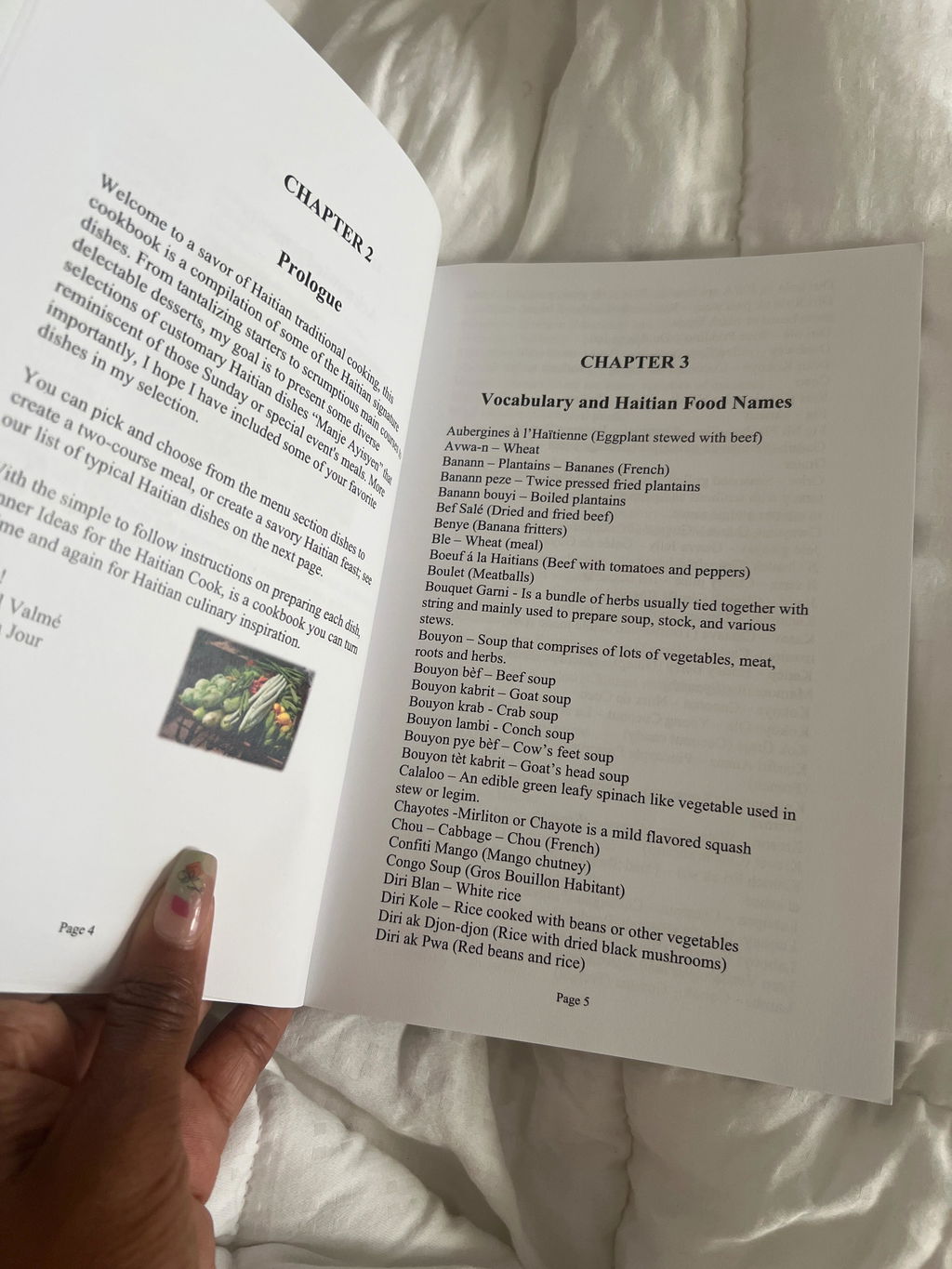
- For home cooks who want step-by-step guidance for more than 100 traditional dishes, the Dinner Ideas for the Haitian Cook: 2nd Edition cookbook includes recipes, cultural notes, and QR-code video tutorials. Dinner Ideas for the Haitian Cook (2nd Edition)
- If you're looking for a shortcut without sacrificing authentic flavor, the Epis Dry Blend (Mild or Hot) and Pwason Citron Blend are available through the Dinner Ideas Collective online store. Dinner Ideas Collective Store
Whether you're preparing a weeknight dinner or a Sunday family meal, Diri Kole reminds us that some of the most memorable dishes begin with simple ingredients, patience, and recipes passed from one generation to the next
How to Store Haitian Diri Kole
One of the reasons Haitian families prepare large pots of Diri Kole is that it stores well and often tastes even better the next day. As the rice rests, the herbs and seasonings continue to blend, giving the dish an even richer flavor.
Whether you're meal prepping for the week or saving leftovers from Sunday dinner, proper storage helps preserve both flavor and texture.
Refrigerating Diri Kole
Allow the rice to cool for no more than two hours after cooking.
Transfer it to an airtight container and refrigerate promptly.
Properly stored, Diri Kole will keep for 3 to 4 days in the refrigerator.
To prevent the rice from drying out, keep the container tightly sealed until you're ready to reheat it.
Freezing Diri Kole
Diri Kole freezes surprisingly well.
Portion the rice into freezer-safe containers or freezer bags, removing as much air as possible before sealing.
For the best quality, use frozen Diri Kole within 2 to 3 months.
When you're ready to enjoy it again, thaw it overnight in the refrigerator before reheating.
Reheating Tips
The microwave is convenient, but adding a tablespoon or two of water before reheating helps restore moisture.
If reheating on the stovetop, place the rice in a covered saucepan over low heat with a small splash of water or broth. Stir gently until warmed through.
Avoid overheating, which can make the rice dry and tough.
Frequently Asked Questions About Haitian Diri Kole
What does Diri Kole mean?
"Diri" means rice in Haitian Creole, while "Kole" means "stuck together" or "combined."
The name refers to the traditional method of cooking the rice together with beans in one pot rather than preparing them separately.
What beans are traditionally used?
The most common choices include:
- Red kidney beans
- Black beans
- Pinto beans
Different regions and families have their own preferences.
Can I use canned beans?
Yes.
While dried beans provide a richer cooking broth, canned beans are an excellent option when you're short on time.
If using canned beans, consider replacing part of the water with vegetable or chicken broth to add more flavor.
Why is my rice mushy?
This usually happens because:
- Too much cooking liquid was added.
- The rice wasn't rinsed before cooking.
- The rice was stirred too frequently.
- The pot remained covered after the rice had finished cooking.
Why is my rice hard?
Undercooked rice often results from:
- Not enough cooking liquid.
- Cooking over heat that is too high.
- Removing the lid too often while steaming.
Should I rinse the rice?
Yes.
Rinsing removes excess starch and helps produce separate, fluffy grains instead of sticky rice.
Is Diri Kole spicy?
Traditionally, Diri Kole is mildly seasoned.
Many Haitian cooks place a whole Scotch bonnet pepper into the pot without breaking it open. This adds aroma while keeping the heat manageable.
Those who enjoy more spice often serve pikliz alongside the meal.
Can I make Diri Kole vegetarian?
Absolutely.
Use vegetable broth if needed and pair the rice with legumes or Haitian vegetable dishes such as Legim for a satisfying meatless meal.
Can I prepare Diri Kole ahead of time?
Yes.
Many Haitian families intentionally prepare extra because the flavors continue to develop overnight.
It makes an excellent meal-prep option for busy weeks.
What meats pair best with Diri Kole?
Traditional pairings include:
- Griot
- Poul Fri
- Pwason Fri
- Tassot
- Turkey
- Goat
- Stewed Beef
Seafood lovers also enjoy pairing Diri Kole with grilled shrimp or snapper seasoned with Haitian citrus seasonings.
Why Diri Kole Remains a Haitian Favorite
Every culture has dishes that tell a story.
For Haitians, Diri Kole is one of those meals.
It represents hospitality.
It represents resourcefulness.
It represents gathering around the table with family after church, celebrating birthdays, welcoming visitors, and sharing everyday meals.
Its ingredients are simple, but its meaning runs much deeper.
Many Haitians living outside Haiti continue making Diri Kole because it keeps them connected to family traditions and memories of home.
For younger generations, learning to prepare this dish is also a way of preserving cultural heritage.
Recipes like Diri Kole remind us that cooking is about more than feeding ourselves. It's about sharing history, honoring those who taught us, and passing those traditions to the next generation.
Continue Your Haitian Cooking Journey
If you've mastered Diri Kole, you're already building one of the most valuable skills in Haitian cooking.
From here, you can begin preparing complete Haitian meals with confidence.
Dinner Ideas Collective was created to help home cooks preserve these traditions while making authentic Haitian cooking more approachable.
Whether you're cooking your very first Haitian meal or introducing these recipes to your children, every meal is another opportunity to celebrate Haitian culture through food.
Learn More with Dinner Ideas Collective
Ready to continue your Haitian cooking journey? These resources can help you build confidence in the kitchen while discovering more traditional recipes and techniques.
Explore More Haitian Recipes
Find step-by-step recipes, cooking guides, and cultural stories on the Dinner Ideas Collective Blog.
Suggested Internal Link:
https://dinnerideascollective.com/blogs/news
Learn Authentic Haitian Cooking
The second edition of Dinner Ideas for the Haitian Cook includes over 100 traditional recipes, cooking techniques, ingredient guides, pronunciation tips, and QR codes linking to instructional videos.
Suggested Internal Link:
https://dinnerideascollective.com/products/dinner-ideas-for-the-haitian-cook-paperback-2nd-edition
Make Homemade Epis in Minutes
Traditional epis is the heart of Haitian cooking. If you're short on time, Dinner Ideas Collective's Epis Dry Blend Mild and Epis Dry Blend Hot make it easy to prepare authentic epis without chopping fresh herbs and vegetables.
Suggested Internal Links:
- https://dinnerideascollective.com/products/epis-dry-blend-mild
- https://dinnerideascollective.com/products/epis-dry-blend-hot
Season Seafood the Haitian Way
Looking for the perfect seasoning for fried fish, grilled snapper, shrimp, salmon, or lobster?
Try Pwason Citron Blend, created specifically for seafood while staying true to traditional Haitian flavors.
Suggested Internal Link:
https://dinnerideascollective.com/products/pwason-citron-blend
Support Your Community
If your church, school, nonprofit organization, or youth ministry is looking for a practical fundraiser, learn more about the Flavor of Giving Community Partnership Program.
Every qualifying purchase helps participating organizations raise funds while introducing families to authentic Haitian flavors.
Suggested Internal Link:
https://dinnerideascollective.com/pages/flavor-of-giving-community-partnership-program
Shop the Complete Collection
Browse the complete line of cookbooks, seasonings, gift ideas, and Haitian cooking resources.
Suggested Internal Link:
https://dinnerideascollective.com/collections/all
Visit Our Amazon Store
Prefer shopping on Amazon? Visit the official Dinner Ideas Collective Amazon storefront to find our cookbook and seasoning blends in one place.
Suggested Internal Link:
https://www.amazon.com/stores/DinnerIdeasCollective
Final Thoughts
Traditional Haitian Diri Kole is much more than rice and beans. It is a meal woven into the daily lives of Haitian families, carrying stories, memories, and traditions from one generation to the next.
Whether served with griot, fried fish, poultry, legumes, or simply enjoyed with avocado and pikliz, Diri Kole remains one of Haiti's most recognizable and cherished dishes.
As you prepare this recipe, remember that every pot reflects the personal touch of the cook. Some families season a little more boldly, others prefer a lighter broth, and many have recipes handed down through generations. That variety is part of what makes Haitian cuisine so rich.
We hope this guide has given you the confidence to prepare authentic Haitian Diri Kole in your own kitchen and inspired you to continue exploring the traditions behind every Haitian meal.
Bon manje!