The Women and History Behind Haitian Cooking
Haitian cuisine is more than a list of recipes. It carries the story of a people, their history, and the women who kept the cooking traditions alive across generations.
Long before cookbooks, food television, or social media, Haitian cooking lived in home kitchens. Recipes passed through observation, memory, and practice. Mothers and grandmothers taught daughters how to season meat, prepare rice, and build flavor step by step.
Today Haitian cuisine continues to grow beyond the island. Restaurants, home cooks, creators, and small food brands are introducing these dishes to new audiences around the world.
Understanding how Haitian food developed helps explain why its flavors remain so strong today.
The Women Who Carried Haitian Cooking Forward
Cooking as Cultural Memory
In Haitian households, women have traditionally guided the rhythm of the kitchen. Cooking knowledge moved from one generation to the next through everyday life.
A daughter might stand beside her mother while she ground epis in a pilon, washed rice for diri kole, or prepared meat hours before cooking. Those quiet moments built the foundation of Haitian food culture.
The lessons were rarely written down. Instead, they lived in memory, repetition, and observation.
Market Knowledge and Ingredient Selection
Women also shaped Haitian cuisine through the choices they made at the market.
They selected herbs, vegetables, and spices based on what was available that day. When food was scarce, they adjusted recipes without losing flavor. Many of the dishes still prepared today grew out of this creativity and resourcefulness.
This ability to adapt helped Haitian cooking survive economic hardship, political change, and migration.
Women Leading Haitian Cooking Today
Today Haitian women continue this work in new ways. Home cooks, cookbook writers, and chefs share recipes online, teach cooking techniques, and introduce Haitian flavors to new audiences.
Their work keeps Haitian cooking active and visible.

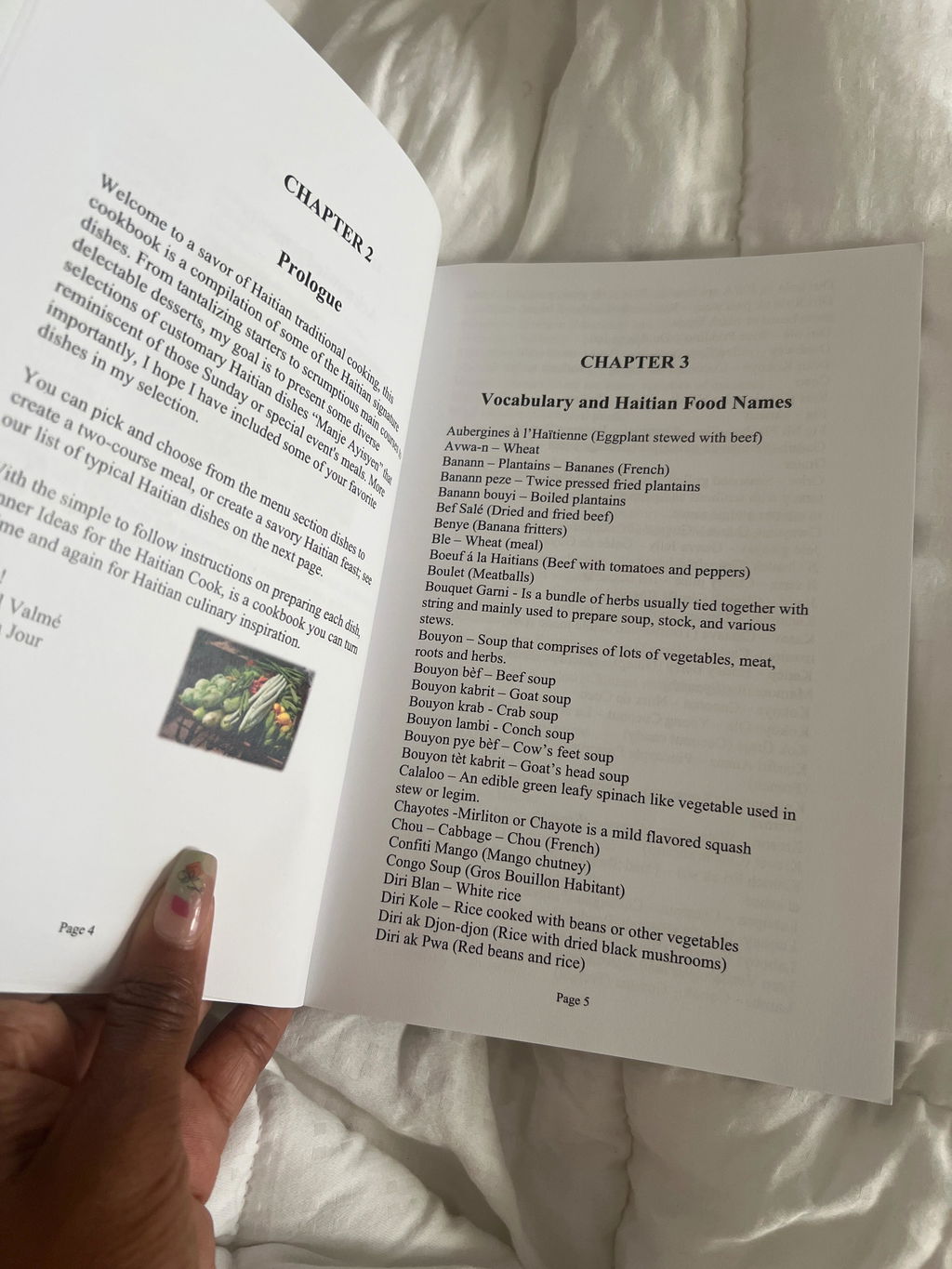
At Dinner Ideas Collective, that tradition guides the mission of the brand. The cookbook Dinner Ideas for the Haitian Cook and the Epis Dry Blend were created to help more people cook Haitian food with confidence while honoring the traditions that built the cuisine.
From France to Haiti: How History Shaped Haitian Flavor
The Roots in Saint-Domingue
Haitian cuisine reflects the history of the island once known as Saint-Domingue, the French colony that later became Haiti.
French culinary techniques met African food traditions brought by enslaved Africans. Over time these influences blended together in plantation kitchens and family homes.
The result was the early structure of Haitian cooking.
French Cooking Methods
French culinary influence introduced techniques that remain visible today. Slow braising, layered sauces, and careful seasoning became part of the cooking style.
These methods shaped dishes that rely on depth of flavor and patient cooking.
African Culinary Traditions
African traditions added bold seasoning, rice dishes, root vegetables, and cooking techniques that had been carried across the Atlantic.
These elements gave Haitian cuisine its strong identity.
Together these influences formed dishes now central to Haitian cooking, including griot, soup joumou, diri kole, and richly seasoned stews prepared with epis.
Chefs Bringing Haitian Cuisine to Wider Audiences
In recent years, Haitian chefs have introduced these flavors to broader audiences.
Chefs such as Nina Compton, Chef Thia (Cynthia Verna), and Nadege Fleurimond have presented Haitian cuisine through restaurants, cookbooks, and media appearances. Their work shows that Haitian food can remain traditional while also reaching new kitchens.
Haitian Food Today: From the Island to Kitchens Around the World
Migration and the Spread of Haitian Cuisine
The story of Haitian food did not remain on the island.
During the early twentieth century, the United States occupation of Haiti influenced trade and agriculture. Later migration brought Haitian families to cities including Miami, New York, Boston, and Atlanta.
With them came Haitian cooking.
The Role of Women in the Diaspora
Once again, women carried the culture forward.
In diaspora communities they opened small restaurants, prepared meals for church gatherings, and continued cooking traditional dishes at home. Their kitchens became the place where Haitian identity remained strong even far from the island.
Many families in the United States still prepare the same meals their parents and grandparents cooked in Haiti.
The Digital Era of Haitian Cooking
Today Haitian cuisine is experiencing another moment of growth.
Food creators share recipes on social media. Restaurants introduce Haitian dishes to new diners. Small food brands provide ingredients that help home cooks recreate traditional meals.
Recipes that once lived only within families are now reaching thousands of kitchens.
Dinner Ideas Collective is part of this movement. Through its cookbook and Epis Dry Blend seasoning, the brand aims to make Haitian cooking easier for the next generation of home cooks.
Keeping Haitian Cooking Alive in Your Kitchen
The future of Haitian cuisine will not be shaped only by restaurants or professional chefs. It will continue through everyday cooking.
When someone prepares diri kole on a Sunday afternoon or seasons chicken with epis before it reaches the pot, they participate in a tradition that stretches across centuries.
For those who want to begin cooking Haitian meals at home, a simple starting point is learning the role of seasoning, especially epis. This herb-based blend forms the flavor base of many Haitian dishes.
The cookbook Dinner Ideas for the Haitian Cook provides step-by-step guidance for preparing traditional meals, while the Epis Dry Blend offers a practical way to bring authentic Haitian seasoning into the kitchen.

You can explore both at dinnerideascollective.com and begin building Haitian meals in your own home.
Haitian cuisine reached today’s kitchens because generations chose to cook, teach, and share their knowledge. The next chapter belongs to the cooks who continue that tradition.