What Is Haitian Epis and Why Does Every Haitian Recipe Start With It?
In Haitian Kitchens, Flavor Begins Long Before the Meal
Walk into many Haitian homes early on a Sunday morning and you will likely recognize it immediately.
The sound of garlic crushing. Fresh herbs hitting the blender. Peppers and onions mixing together. Then comes the aroma. Warm oil meeting Epis in a hot pan.
For Haitians everywhere, that smell means something important is happening in the kitchen.
It means family is coming over.
It means dinner is being prepared with care.
It means tradition is alive and well.
For generations, Haitian Epis has quietly served as the foundation of Haitian cooking. While many outside the culture may see it as just another seasoning blend, inside Haitian households, Epis carries much deeper meaning.
It represents memory, identity, pride, and home.
I first learned about Epis as a child watching my grandmother cook. Before I understood recipes or measurements, I understood the experience. I remember the smell of Epis frying during weekday meals and especially during larger Sunday dinners when the kitchen became the center of the home.
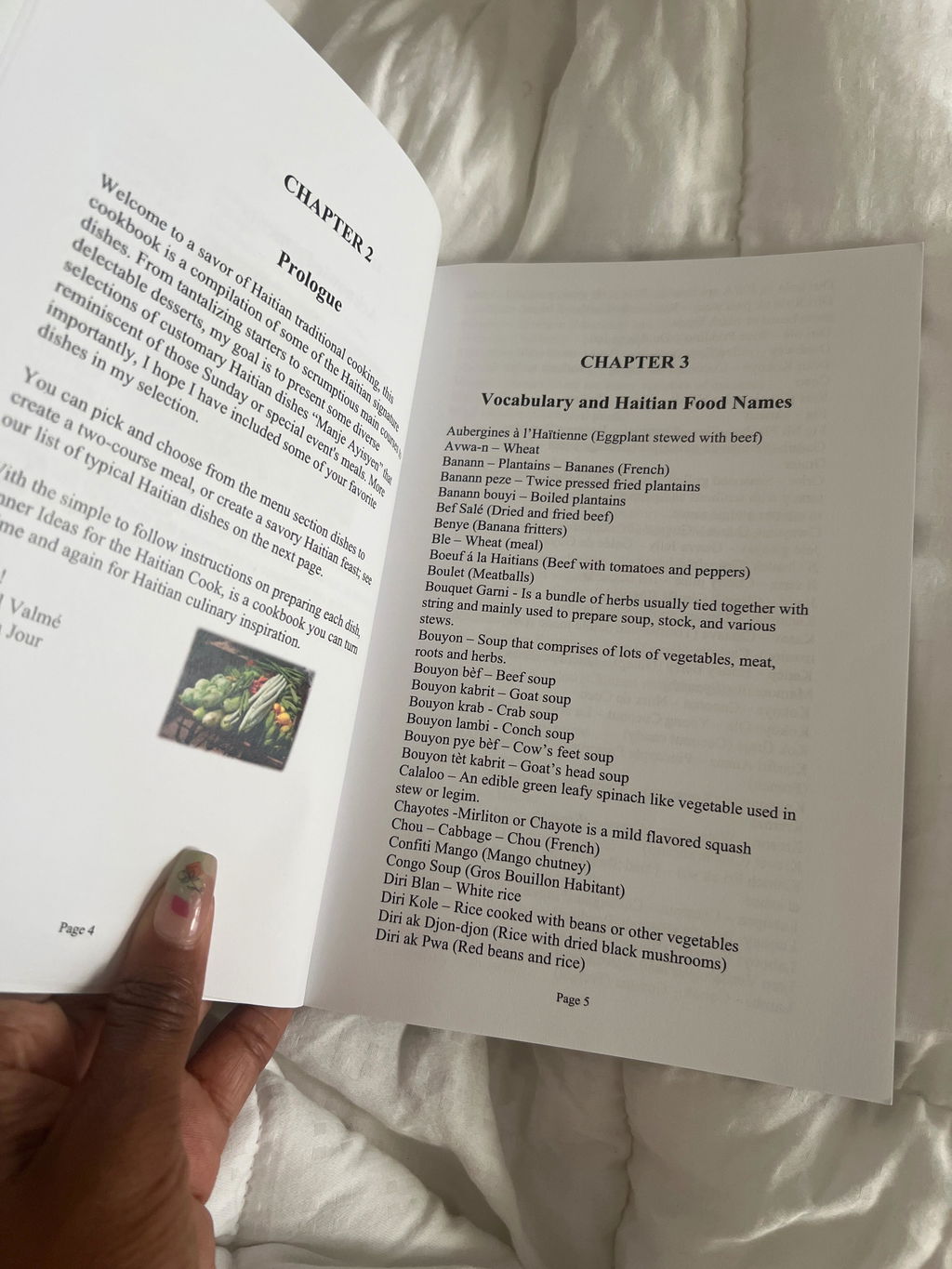
Years later, those same memories would help inspire both my cookbook, Dinner Ideas for the Haitian Cook, and eventually our Epis Dry Blend seasoning.
Because for many of us, Haitian cooking is not simply about food.
It is about preserving culture one meal at a time.
What Exactly Is Haitian Epis?
The Heart of Haitian Cooking
Haitian Epis is a fresh seasoning blend traditionally made with herbs, peppers, garlic, onions, citrus, vinegar, and oil. It is used to marinate meats, season rice, flavor soups, and build layers of flavor into nearly every Haitian dish.
In many ways, Epis is the backbone of Haitian cuisine.
Common ingredients often include:
- Garlic
- Bell peppers
- Green onions
- Parsley
- Thyme
- Scotch bonnet peppers
- Onion
- Lemon or lime juice
- Vinegar
- Oil
Every Haitian family has their own variation.
Some make it spicy.
Some use more garlic.
Others focus heavily on herbs.
That flexibility is part of what makes Haitian cooking so personal. Recipes are often passed down through observation rather than written instruction. Measurements become instinct. Flavor becomes memory.
Still, there are certain ingredients many Haitian cooks consider essential.
For me, thyme, lemon juice, and vinegar are what help create the unmistakable character of authentic Haitian Epis.
Why Does Every Haitian Recipe Call for Epis?
Haitian Cooking Is Built on Layers of Flavor
One of the biggest misconceptions beginners have about Haitian cooking is thinking it is simple or rushed.
It is not.
Haitian food is deeply layered cooking.
Flavor is developed gradually from the very beginning of the process, and Epis is usually the first layer added.
It seasons meats before cooking.
It flavors oil before vegetables are added.
It blends into sauces, stews, and rice dishes.
It creates the depth people recognize in authentic Haitian food.
Without Epis, many traditional dishes lose part of their identity.
That is why many Haitians will tell you:
“If it doesn’t have Epis, it doesn’t taste truly Haitian.”
Whether it is griot, soup joumou, diri kole ak pwa, legumes, or poul an sos, Epis helps create the flavor foundation that ties Haitian cuisine together.
How Haitian Epis Differs From Other Caribbean and Latin Seasonings
Similar Ingredients, Different Identity
People often compare Haitian Epis to green seasoning, sofrito, or Latin marinades. While they may share certain ingredients, Haitian Epis has its own personality.
Green Seasoning
Many Caribbean islands use green seasoning blends with herbs and peppers. Haitian Epis often carries stronger garlic, citrus, and vinegar notes that make it especially effective as both a marinade and cooking base.
Sofrito
Traditional sofrito commonly includes tomatoes and is often cooked down at the beginning of recipes. Haitian Epis stays fresher and more herb-focused while also serving as a complete seasoning system for meats and vegetables.
Jamaican Seasoning Blends
Jamaican blends frequently lean heavily into allspice and Scotch bonnet flavors. Haitian Epis places stronger emphasis on herbal freshness balanced with acidity.
Latin Marinades
Many Latin marinades focus mainly on citrus and dry spices. Haitian Epis combines fresh aromatics, herbs, peppers, and acids into one deeply layered blend.
The result is something distinctly Haitian.
Why I Created an Epis Dry Blend
Making Haitian Cooking More Accessible
After releasing Dinner Ideas for the Haitian Cook, I began hearing the same thing from readers over and over again.
They loved Haitian food.
They wanted to cook it.
But making fresh Epis every week felt intimidating.
Some struggled finding ingredients locally.
Others made large batches that spoiled before they could use them.
Some tried freezing fresh Epis in ice cube trays.
I understood the frustration.
That is what led me to create our Epis Dry Blend.
The goal was never to replace tradition. The goal was to help more people participate in it.
I wanted to make Haitian cooking more approachable for:
- Busy families
- First-generation Haitian-Americans
- College students
- Beginners
- Non-Haitians learning the cuisine
- Anyone trying to reconnect with familiar flavors
Sometimes preserving culture also means adapting to modern life without losing the soul of the food.
A Simple Homemade Haitian Epis Recipe
Beginner-Friendly Epis Recipe
Ingredients
- 1 green bell pepper
- 1 small onion
- 6 garlic cloves
- 4 green onions
- 1 cup parsley
- 2 sprigs fresh thyme
- 1 Scotch bonnet pepper
- Juice of 1 lemon
- 2 tablespoons vinegar
- 2 tablespoons oil
- Salt and black pepper to taste
Instructions
- Wash and roughly chop all ingredients.
- Add ingredients to a blender or food processor.
- Blend until smooth but slightly textured.
- Store in an airtight container in the refrigerator.
Fresh Epis typically lasts 5–7 days refrigerated. Some families freeze portions for longer storage.
Epis Is More Than Seasoning
The Emotional Connection Behind Haitian Food
One of the most meaningful surprises since launching our cookbook and spice blends has been hearing from second-generation Haitians and people connected to Haitian families through marriage and friendships.
Many tell stories about the smell reminding them of grandparents.
Of Sunday dinners.
Of childhood kitchens.
Of moments they thought were gone.
Food has a unique ability to reconnect people to memory.
For Haitians, Epis often becomes part of that connection.
It carries pride.
It carries resilience.
It carries history.
And in many homes, it still carries the responsibility of keeping traditions alive for the next generation.
Final Thoughts
Keeping Haitian Flavor Alive One Meal at a Time
Haitian Epis is not just a seasoning blend.
It is the starting point of Haitian cooking and, for many families, the starting point of memory itself.
It teaches patience.
It teaches layering flavors.
It teaches the importance of cooking with intention.
Most importantly, it reminds us that food can preserve culture in ways words sometimes cannot.
For anyone beginning their Haitian cooking journey, my advice remains simple:
Practice makes perfect.
Start small.
Learn gradually.
Taste often.
And do not be afraid to make the recipes your own.
Because every Haitian family started somewhere too.
If you are looking to learn more Haitian recipes or simplify your cooking experience, you can explore our cookbook Dinner Ideas for the Haitian Cook and our Epis Dry Blend seasonings at Dinner Ideas Collective.
Let’s keep the culture cooking, one meal at a time.